Welcome to The Pregame Lineup, a weekday newsletter that gets you up to speed on everything you need to know for today's games, while catching you up on fun and interesting stories you might have missed. Today's edition was written by David Adler and Brian Murphy.
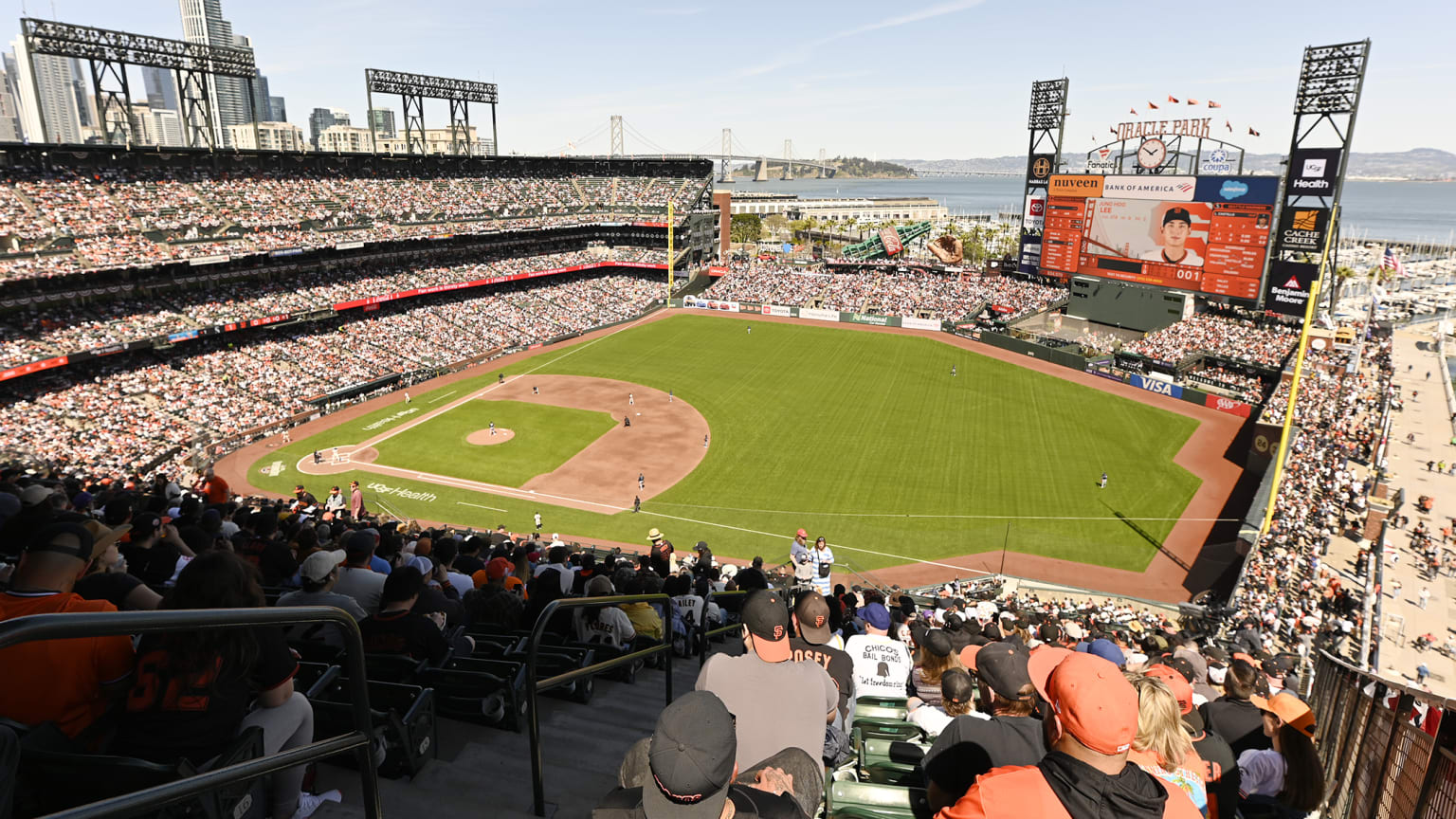
Here's something important to watch when the Yankees and Giants take the field for Opening Night (Wednesday, 8 p.m. ET, Netflix) -- and you might not have realized just how important it is:
The outfield in San Francisco is the toughest place to play in the entire Major Leagues.
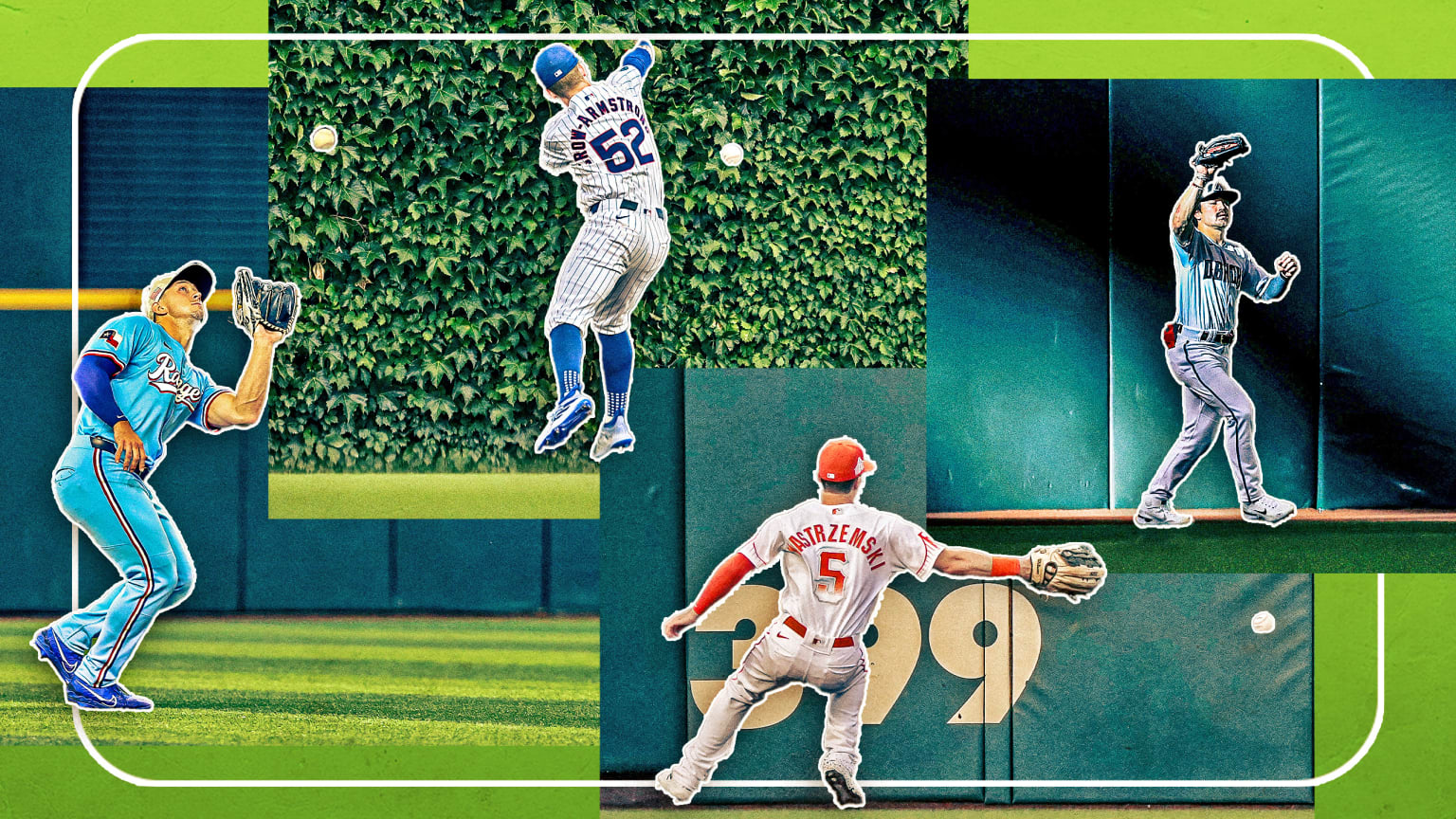
As we head into the 2026 season, MLB.com's Mike Petriello ranked all 30 MLB ballparks by how difficult it is to play the outfield there. And this isn't some subjective list, either -- this is based on the numbers.
Yes, park factors aren't just for hitters and pitchers anymore. We can do the same thing for outfielders. Just think about all the variables they have to deal with from series to series or game to game: field dimensions, wall heights, backdrops, weather patterns and so on.
No two MLB outfields are created equal. That's part of baseball's charm. But while some outfields can be a relative breeze to play, others can be downright treacherous.
So we set out to answer these questions: How hard is it to catch the ball in each park? And why?
Looking at the past five seasons, Petriello used Statcast's Outs Above Average to gauge how each stadium affects the performance of outfielders. (You can see the methodology here.)
The end result? Five groups of ballparks, ranging from the most favorable to the most difficult to catch a fly ball. You can probably guess some of the stadiums on either side of the spectrum.
Ballparks with roofs -- less affected by the elements -- and those in sunny Southern California are generally more friendly to outfielders. Meanwhile, the most unusual stadium environments, especially those with quirky dimensions and unpredictable weather, can be more hostile.




No comments:
Post a Comment